A Fresh Take On The Rollout
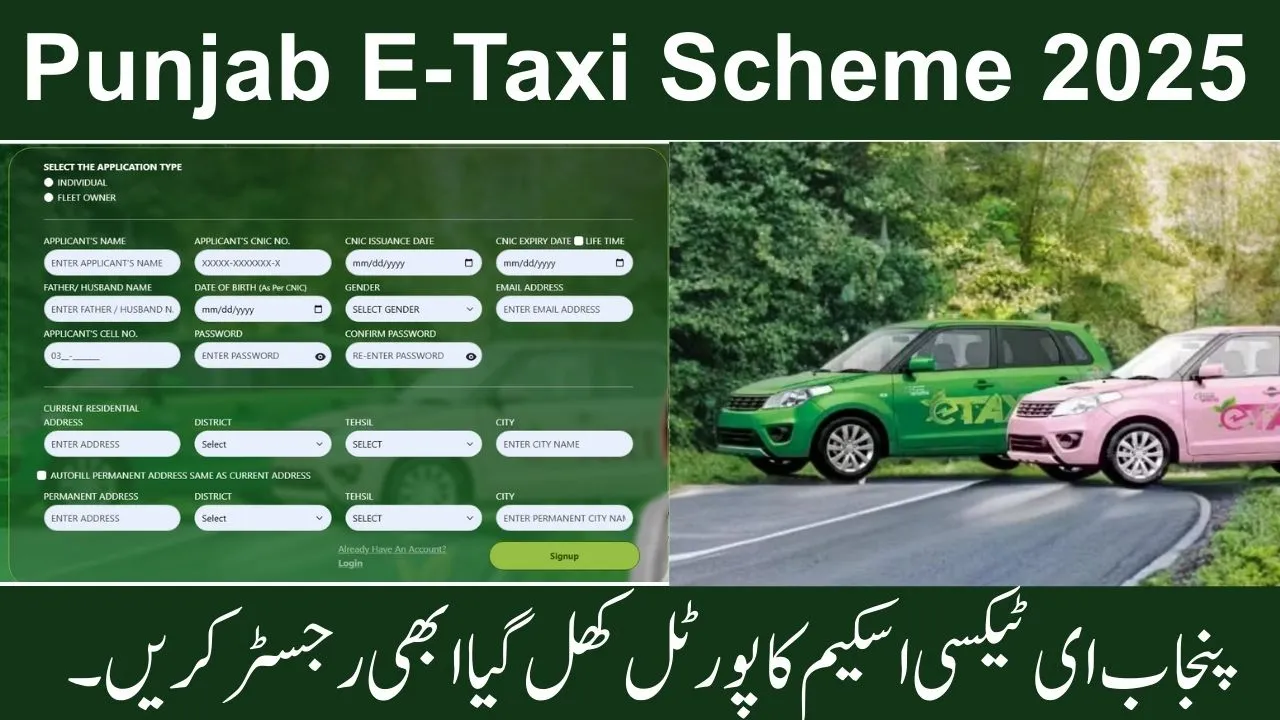
Starting with the registration buzz and community chatter, I’ve watched the Punjab Electric Taxi Scheme 2025 move from policy talk to practical momentum. The focus is clear: eco-friendly mobility, interest-free access, and measurable gains for unemployed youth and low-income families. In simple terms, the program aims for affordable ownership of electric taxis and electric bikes through installment plans that are truly 100% interest-free. From a planning standpoint, the upcoming launch date—flagged for a rollout within 15 days of early 2025—sets expectations for quick adoption while the application portal at the Punjab Transport Department ties the process together.
Why The Structure Matters
Ownership, especially when easy, interest-free, and backed by installment plans, lowers barriers for low-income individuals.
The employment impact is real: drivers, mechanics, and EV support staff stand to benefit from job creation in a program designed for thousands of jobs.
City corridors like Lahore, Faisalabad, and Rawalpindi should feel a direct drop in congestion emissions as reducing carbon emissions and lower pollution become operational goals rather than slogans.
A province-wide backbone of 1,000 EV charging stations aims to provide reliable charging across Punjab, reinforcing confidence in electric mobility.
What I’ve Learned From Field Rollouts
Having helped teams stand up EV pilots, the difference between intent and outcomes usually comes down to three things: uptime, financing clarity, and data feedback. Here, the government-backed model and policy alignment reduce ambiguity; infrastructure investment supports uptime; and a transparent application portal streamlines entry. When service quality and accessibility are tracked from day one, the public transport upgrade becomes measurable, not just aspirational.
The Numbers Behind Confidence
- Target: 80% transport network electric by 2030, a major lever to reduce pollution and fuel dependency.
- Charging Stations: 1,000 EV charging stations seeded across Punjab to shrink range anxiety.
- Buses & Trams: 1,100 buses and trams by 2030, with deployment beginning in December 2025.
- Tram Start: Lahore Tram Service with an expected launch in February 2026, opening first routes on Jail Road and Main Boulevard.
- Depots: 41 advanced depots to enable efficient fleet management and scalability.
Who Should Apply and Why
The guidance is straightforward: eligibility will be announced soon, but expected conditions include resident of Punjab, valid CNIC, valid driving license for taxi applicants, and willingness to pay monthly installments on time. Prioritization for low-income families and unemployed youth aligns with the program’s social mission. From my experience, early applicants who assemble documents in one go move faster through verification, preserving the momentum of the rollout.
Practical Path to Onboarding
- Register via the official portal under the Punjab Transport Department once live; monitor the launch date signals closely.
- Document completeness matters: keep proof for income, residence, and license status ready; it speeds decisions on affordable ownership.
- For those seeking to optimize cash flow, map installment plans against anticipated daily revenue; that’s where interest-free financing shines.
Long-Term Vision and Short-Term Gains
The scheme supports a broader roadmap for transport modernisation with international standards. Emphasis on electrification and infrastructure investment is paired with policy alignment to keep funding, standards, and safety synced. When paired with modern charging infrastructure and an EV charging networks plan, EV operations can stabilize quickly—critical for meeting 80% electric transport system goals.
Fiscal and Environmental Angles
From a budgeting lens, fuel import reduction and the shift away from petrol and diesel free up public and private capital. On the climate side, reduced urban air pollution and renewable energy integration in charging backbones create a green transformation foundation.
Technology and Autonomy Runway
Progressive pilots for autonomous vehicles with testing plans over the coming years will lean on the same data rails built for e-taxis.
Fleet-wide telematics enable preventive maintenance, feeding into efficient fleet management and smoother service quality.
Scalability hinges on interoperable chargers and open data standards; keeping interfaces consistent reduces downtime across assets.
Regional Contrast and Collaboration
Sindh is pushing a parallel initiative: the Sindh Workers Welfare Board will distribute 10,000 free electric motorcycles to female industrial workers. With the Sindh Labour Minister, Shahid Thaheem, signaling women’s empowerment and eco-friendly mobility, the national picture is widening. Healthy provincial competition can accelerate supplier localization, training pathways, and shared best practices—ultimately driving provincial progress.
Making the Numbers Work for Applicants
- Treat installment plans as a weekly cash-flow model: estimate trips per day, set a conservative fare average, subtract charging costs, and apply a maintenance reserve.
- Keep a simple ledger for daily earnings; this habit proves on-time payment capability and helps candidates maintain affordable transport options.
- New drivers should shadow experienced peers for route selection and charging etiquette; both materially affect uptime.
Policy Cues to Watch
- Final official requirements on eligibility and portal timelines.
- Incentive structures for early adopters—priority assignment or fee waivers can tip total cost of ownership.
- Grid-aware pricing for fast charging to align utilization with demand curves; this protects the business case for drivers and networks alike.
Global Context, Local Execution
The scheme aligns with global EV adoption trends while staying grounded in local needs. Real-world success depends on simple processes, transparent milestones, and dependable support—features already embedded in this design.
Field Notes for Smoother Operations
- Station density matters more than raw counts; the stated 1,000 EV charging stations will perform best when mapped to demand clusters and night-time dwell locations.
- Training for safe EV handling reduces warranty issues and keeps service quality high.
- Clear escalation paths for hardware or app failures uphold accessibility and driver trust.
Putting It Together
The Punjab Electric Taxi Scheme 2025 is a blueprint that balances finance, infrastructure, and workforce outcomes. With a credible launch date, tangible charging stations, and a disciplined march toward an 80% transport network electric by 2030, Punjab is positioning itself for durable gains.
Final Thoughts
The Punjab Electric Taxi Scheme 2025 is more than a procurement plan; it’s a system change. By pairing interest-free installments with a clear pathway to vehicle ownership, it lowers the biggest barrier for new drivers: upfront cost. Success will hinge on execution, continuous feedback, and nimble operations—but the foundations for sustainable growth, electrification, and public transport upgrade are already visible and actionable.
FAQs
Who can apply?
Residents of Punjab with valid CNICs, a driving license (or a path to upgrade), and the willingness to meet monthly installments. Priority often tilts toward unemployed youth and low-income families to improve access and inclusion.
What vehicles are included?
Electric taxis are the anchor, with complementary options like e-bikes in some phases. All target lower operating costs, quieter rides, and reduced emissions compared to petrol or diesel vehicles used for daily transport services.
How does the financing work?
Ownership is made possible through interest-free installments. Applicants make scheduled payments instead of a large upfront sum. This structure aims to stabilize cash flow for new drivers and improve long-term asset retention.
What about charging availability?
A growing network of public and depot chargers underpins the rollout. The goal is short wait times, predictable uptime, and city-to-city coverage so drivers can plan shifts without range anxiety or costly detours.
How are applicants selected?
Expect document checks, identity and residency verification, and license review. Some phases may include income screening to prioritize low-income households. Accuracy and completeness of documents speed up decisions.
What income can a driver expect?
Earnings vary by city, route density, and operating hours. Plan conservatively: estimate trips per shift, average fare, charging costs, and a maintenance reserve. Treat it like a business to protect margins year-round.
Are training or safety sessions required?
Basic orientations are common and helpful. They cover EV handling, efficient charging, preventive maintenance, and passenger safety. Good habits reduce downtime and extend battery and component life.
Can women and differently-abled applicants apply?
Yes. Inclusion is a stated priority, with efforts to expand access, training, and safe working conditions. Dedicated support can improve onboarding and long-term participation across demographics.
What maintenance does an e-taxi need?
EVs typically require less mechanical service than combustion vehicles. Still budget for tires, brakes, cabin care, and software updates. Regular checks maintain efficiency and prevent avoidable breakdowns during peak hours.
How should I prepare before applying?
Gather CNIC, license, residence proof, and basic financial records. Create a simple cash-flow plan for installments, charging, and upkeep. Submit accurate information and monitor application updates to avoid delays.