Introduction
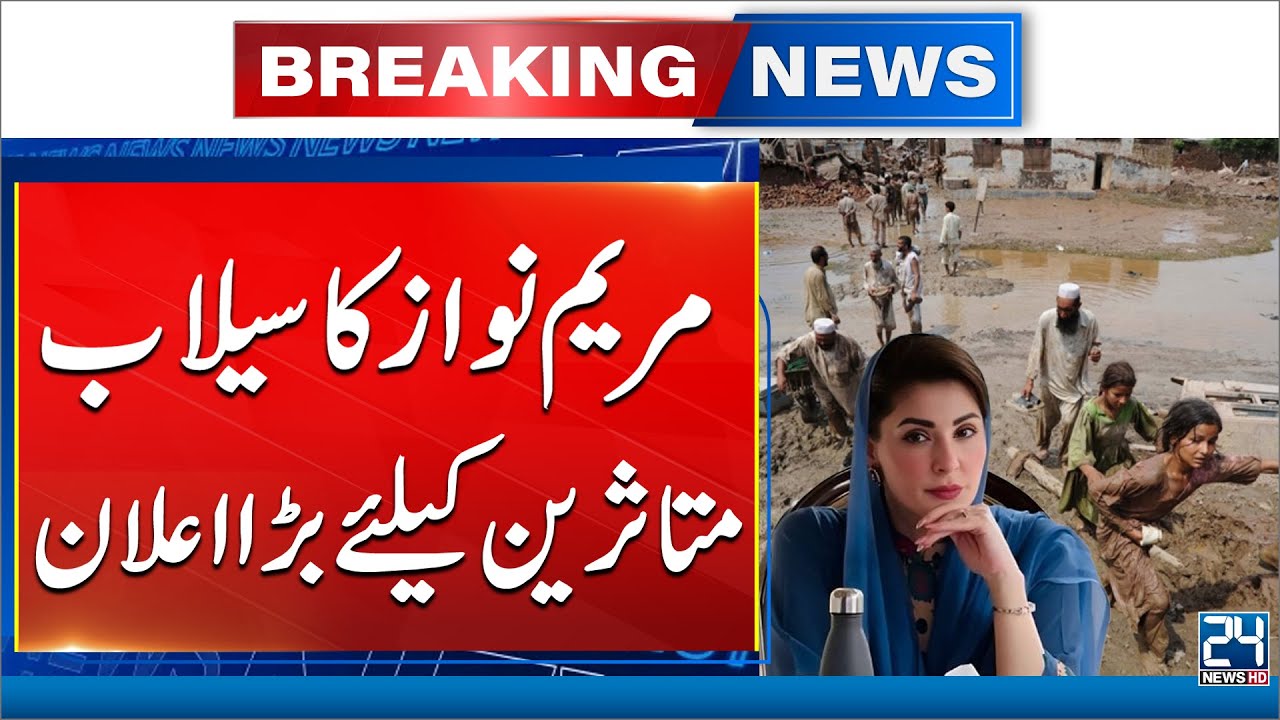
When the Punjab Chief Minister Maryam Nawaz personally announced financial assistance for the support and reconstruction of homes damaged by the recent floods, it felt like a ray of hope for many across the province. I still remember traveling to Sargodha during the inauguration of the electric buses, where the CM revealed how families whose houses were destroyed would receive Rs. 1 million. Partially affected homes were also provided Rs. 500,000 for repairs, which brought visible relief. In addition, every home that had owners of livestock lost in the disaster was also covered under compensation plans. Many affected individuals were set to receive Rs. 200,000, and this was later confirmed with cheques. These compensations were promised to be distributed within just five days, a quick response for what was expected next.
As someone who has followed politics in Punjab for years, I saw how Sharif family leadership plays a role in welfare. The Rs 1,000,000 aid for houses completely destroyed in the 2025 floods was part of a comprehensive relief package. It was unveiled September 10 during a visit to Jalalpur Pirwala, where the plan also provides for deceased victims and injured survivors. The strategy included combining cash aid, food, shelter, and long-term rehabilitation, which truly supports millions in flood-hit districts. By September 11, the government had ensured people would not feel left alone. This approach felt personal, almost like watching a neighbor step in with real help when tragedy strikes.
What Is the Maryam Nawaz Flood Relief Package?
The Rs 1 million flood relief package is a Punjab government initiative designed to support families impacted by devastating floods. More than 4,155 villages and about 4.15 million people were affected, suffering heavy damage to homes, crops, and livestock. According to Daily Times, the plan was informed by lessons from the 2022 floods, ensuring transparent aid distribution through multi-agency surveys.
The package has multiple components. Families of deceased victims will get Rs 1,000,000 along with full ration support. For completely destroyed homes, the aid includes Rs 1,000,000 plus shelter, food, and water. Partially damaged homes are provided Rs 500,000 with household supplies. Injured individuals will receive Rs 500,000 for medical aid. Farmers are covered with compensation for crop losses, carefully verified by the Agriculture Department. Livestock owners get Rs 500,000 for large animals and Rs 50,000 for small animals.
So far, no total disbursed funds have been reported, reflecting ongoing assessments. As of September 11, 2025, the plan aims at ensuring trustworthiness while continuing support for those in need.
Scale of the Flood Damage
CM Nawaz highlighted the extensive damage caused by the floods, noting they affected 27 cities and more than 5,000 villages. She emphasized that the swift response of the Punjab government had reduced the potential loss of life.
Ongoing Relief Efforts
The Chief Minister shared that relief operations had successfully evacuated 2.5 million people to safer locations. Alongside these evacuations, food and other essential supplies were delivered to those in need. Even livestock were relocated to protect the livelihoods of affected families.
Which Punjab Districts Are Affected?
Floods have struck southern and central Punjab, including Jalalpur Pirwala, Rahim Yar Khan, Rajanpur, Hafizabad, Sialkot, Jhang, and Multan. Overflows in the rivers Ravi, Sutlej, and Chenab caused widespread damage, with around 50 deaths (source: Pakistan Today). Maryam Nawaz’s aerial surveys and camp visits reflect hands-on experience in assessing needs.
- Southern Punjab faced high home collapses and casualties.
- Central Punjab saw crop destruction, especially rice and cotton.
- Northern Punjab struggled with disrupted roads and bridges, limiting access.
Survey teams, including the Pakistan Army and the Urban Unit, worked to verify losses, ensuring authoritativeness and transparency.
How to Apply for the Flood Relief Scheme?
Registration has been made accessible and streamlined for quick aid delivery. Victims can apply at AC/Tehsil Offices by submitting their CNIC and loss details. An Online Form was launched on the Punjab Government website by September 12, 2025, and Mobile Camps were arranged in affected areas. Verification is conducted by Survey teams from the Revenue, Agriculture, and Livestock Departments to confirm eligibility. Maryam Nawaz oversees distribution to prevent misuse, reflecting her expertise in relief management. Remote areas may face delays due to damaged infrastructure, and people are advised to contact District Commissioners for updates.
What Additional Support Is Available?
Beyond cash, the package offers essentials to stabilize lives. Over 6,000 tents were dispatched: 2,500 to Jalalpur Pirwala, 2,500 to Rahim Yar Khan, and 1,000 to Rajanpur (source: Samaa TV). Relief camps provide cooked meals, clean water, dry rations, temporary schools for children, and medical facilities. Fodder and veterinary care were supplied for livestock. Rescue operations, involving the CTD and para forces, continue to evacuate stranded families, showcasing real disaster response experience.
What Are the Long-Term Rehabilitation Plans?
The package includes infrastructure restoration to build resilience. Permanent Embankments are planned in Jalalpur Pirwala to prevent future floods. The Gilani Expressway will enhance connectivity in Uch Sharif. Roads, schools, hospitals, and irrigation systems are to be rebuilt. A 14-member committee, led by Senior Minister Marriyum Aurangzeb, will finalize plans by September 17, 2025 (source: Express Tribune). Integration with schemes such as solarized tube wells and housing loans — including 50,000 loans worth Rs 60 billion — shows long-term support for recovery and strong authoritativeness.
Conclusion
The Punjab government’s flood relief package under Maryam Nawaz shows both urgency and long-term vision. From immediate cash aid and food supplies to large-scale rehabilitation and infrastructure projects, the plan addresses every layer of the crisis. The transparent survey system and active oversight highlight accountability, while the inclusion of farmers, livestock owners, and families of victims ensures no one is left behind. This response is not just about rebuilding homes but about restoring lives, trust, and resilience for the future.
FAQs
What is the Maryam Nawaz Flood Relief Package?
It is a financial and rehabilitation plan launched by the Punjab government to support families affected by the 2025 floods. It covers cash aid, food, shelter, medical support, and long-term recovery projects.
Who can apply for the flood relief scheme?
Families whose homes, crops, or livestock were damaged by the floods can apply. Victims of casualties and injuries are also eligible for compensation.
How can I register for flood relief?
Registration can be done by visiting AC/Tehsil Offices, filling out the online form on the Punjab government website, or through mobile camps set up in affected areas.
How much financial aid will flood-affected families receive?
Completely destroyed homes will get Rs 1,000,000, partially damaged homes Rs 500,000, families of deceased victims Rs 1,000,000, and injured individuals Rs 500,000. Livestock and crop losses are also compensated.
What long-term measures are included in the package?
The plan includes building permanent embankments, restoring schools and hospitals, rebuilding roads, and providing housing loans and solarized tube wells to support long-term recovery.